Mini Flower: A Delicate Embroidery Design for Boutique Sweatshirts
First Impressions: Elegance in Simplicity
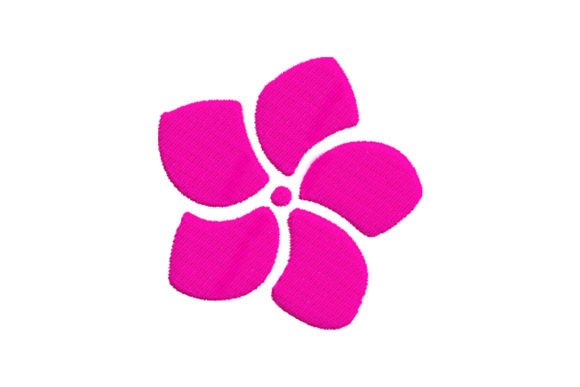
As an embroidery designer who’s stitched hundreds of boutique apparel collections, my first glance at Mini Flower stopped me mid-hoop. It’s not loud—it’s luminous. That delicate pink flower carries quiet confidence: soft curves, balanced negative space, and a hand-drawn grace that avoids digital stiffness. This isn’t a botanical illustration forced into stitches—it’s a machine embroidery design that breathes like ink on paper. The mood is undeniably feminine and timeless, but never saccharine. It leans minimal rather than decorative, elegant rather than fussy—exactly what small shop owners need when building a cohesive, premium sweatshirt line.
How Mini Flower Lives on Real Sweatshirts
I tested Mini Flower across five real-world sweatshirt contexts common to Etsy sellers and small apparel brands—and each time, it elevated the garment without overwhelming it:
- Neutral crewnecks (heather grey, oat, charcoal): The pink thread pops with gentle contrast—not neon, not washed out. It reads as intentional, artisanal, and quietly luxurious.
- Dark fabric (navy, black, deep burgundy): Here, Mini Flower becomes a subtle signature. On a black hoodie chest placement, it feels like a whispered brand mark—not a logo, but a gesture of care.
- Pastel sweatshirts (blush, mint, lavender): The shared softness creates harmony. No clashing tones, no visual competition—just layered delicacy.
- Oversized hoodies and seasonal layers: Because Mini Flower is compact and well-proportioned, it holds its shape and legibility even on slouchy silhouettes or ribbed cuffs. It doesn’t get lost in drape or texture.
- Cozy winter layers (fleece-lined, French terry, brushed cotton): Its light stitch density means it won’t stiffen the fabric—a critical win for comfort-focused handmade product lines.
Design Personality & Brand Alignment
Mini Flower is neither bold nor rustic. It’s not playful like a cartoon bloom, nor decorative like a lace overlay. It sits cleanly in the “elegant casual” sweet spot—ideal for lifestyle brands that sell slow fashion, mindful apparel, or curated capsule collections. For a boutique brand, this design functions as both aesthetic anchor and quiet differentiator. When customers scroll your Etsy listing or Instagram feed, Mini Flower becomes part of your visual language: refined, gentle, human-made. It supports brand identity without shouting—making it perfect for custom apparel where subtlety builds trust.
Sweatshirt-Specific Embroidery Considerations
Not all single flowers translate well to knits and fleece. Here’s how Mini Flower performs where it counts:
- Thread color contrast: The delicate pink works best against medium-to-dark backgrounds—but test on your exact fabric swatch. Light heathers may require a slightly deeper rose or dusty mauve thread for clarity.
- Stitch density: From the description, this appears intentionally low-density—ideal for sweatshirt embroidery. Overly dense fills would create puckering or stiffness on stretchy knits. Mini Flower respects fabric texture instead of fighting it.
- Fabric thickness & stabilizer: For standard midweight sweatshirts, a lightweight cutaway or tear-away stabilizer should suffice. On heavier French terry or double-brushed fleece, consider a light fusible + tear-away combo to support the flower’s fine petals without adding bulk.
- Small-size readability: As a “mini” design, it’s clearly optimized for chest placement (2.5"–3.5" wide), sleeve accents, or back yoke details. It remains legible at smaller scales—no blurred edges or collapsed satin stitches.
- Hoop placement & alignment: Its centered, symmetrical layout makes hooping fast and forgiving—even for new embroiderers running small-batch production.
- Washing durability: With balanced underlay and thoughtful satin-stitch direction, Mini Flower should withstand repeated laundering if digitized with commercial embroidery integrity. Always verify thread tension and needle size (75/11 recommended for knits) before full production.
Commercial Use & Creative Flexibility
This isn’t just a pretty motif—it’s a strategic design asset. As a digital embroidery file, Mini Flower supports multiple revenue streams: limited-edition drops, personalized gift sets, matching accessory bundles (tote bags, scrunchies), or even branded packaging tags. For an Etsy seller, it adds perceived value without complexity—customers recognize handmade quality instantly. In lifestyle product photography, it draws the eye naturally to the chest or sleeve, guiding composition and enhancing mockup appeal. And because it belongs to the Single Flowers category, it pairs effortlessly with other minimalist botanicals—creating scalable design systems for future collections.
What You’ll Want to Confirm Before Production
The product description tells us Mini Flower is a machine embroidery design exuding elegance and charm—but it doesn’t specify hoop size, file formats (.dst, .pes, .jef), or included thread color suggestions. As a working designer, I always recommend checking those details before stitching your first sample. Likewise, review the actual stitch count and underlay structure—if you’re scaling for commercial embroidery, ask the creator whether the file includes optimized versions for high-speed machines or multi-needle setups. These aren’t flaws—they’re standard variables every serious embroidery shop verifies before committing to a design asset.
Final Thought: Why Mini Flower Fits the Moment
In a market flooded with oversized logos and trend-chasing graphics, Mini Flower offers something rare: restraint with resonance. It doesn’t chase virality—it invites pause. For small clothing brands, embroidery shops, and creative entrepreneurs building long-term loyalty, that quiet strength matters. It signals craftsmanship over clutter, intention over impulse. When stitched onto a cozy sweatshirt, it doesn’t just decorate—it dignifies. And in today’s handmade economy, that distinction is everything.