Floral Corners 4: A Designer’s Real-World Review
As a designer who’s stitched hundreds of embroidery files for client apparel, boutique merchandise, and Etsy bestsellers, I opened Floral Corners 4 expecting charm—and found something more: quiet versatility. It’s not flashy, but it’s precise. Not fussy, but deeply intentional. That matters when you’re stitching on a linen tea towel for a wedding gift or building a cohesive line of embroidered baby blankets for your small shop.
First Impression: Garden-Soft, Not Overgrown
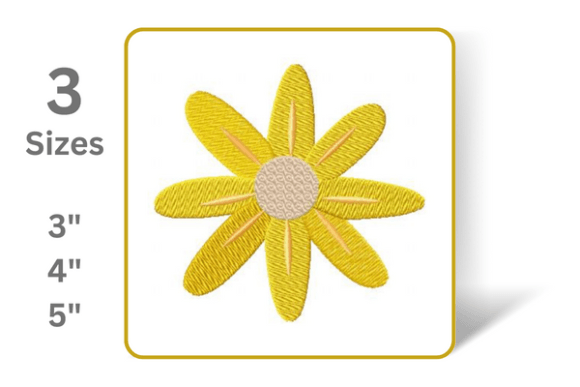
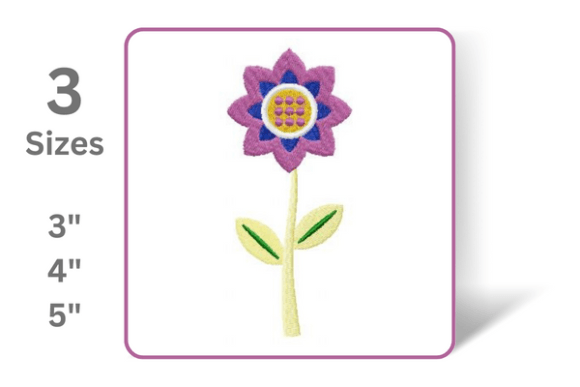
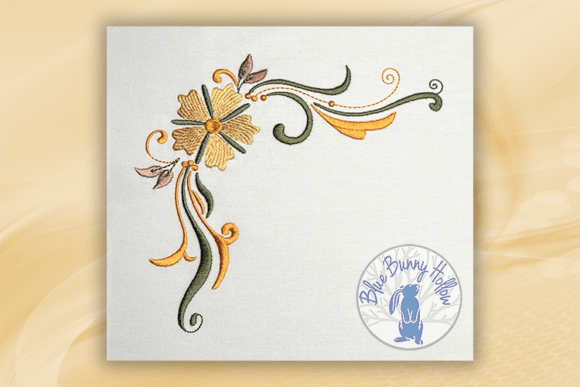
At a glance, Floral Corners 4 reads as botanical elegance—delicate stems, open blossoms, and subtle leaf curves arranged to nest naturally into corners. It doesn’t shout; it settles. The layout feels balanced, with gentle negative space around each motif so it won’t crowd seams or fold lines. As a Single Flowers design, it avoids the busyness of full bouquets—making it ideal for projects where subtlety signals sophistication: nursery decor, monogrammed aprons, or minimalist sweatshirt cuffs.
I tested it first on a natural cotton tote bag—unlined, medium-weight, slightly textured. Stitched in soft ecru thread on oat-colored fabric, the design landed exactly as imagined: refined, handmade, and quietly confident. Customers don’t just see “flowers”—they sense care. That’s the difference between decoration and intention.
Where It Shines (and Where It Asks for Attention)
Floral Corners 4 performs beautifully across real-world embroidery project contexts—but only when matched thoughtfully to material and purpose.
- Custom apparel: Works cleanly on sweatshirt hems, jacket lapels, and cap brims—if hoop size allows full corner clearance. Avoid tight curves like baseball cap crowns unless you’ve confirmed stitch integrity in that area.
- Baby embroidery: Its open structure and moderate detail level hold up well on interlock knit and brushed cotton. No dense satin-stitch clusters to irritate sensitive skin.
- Kitchen & home goods: On tea towels, placemats, and pillow covers, it reads clearly even after multiple washes—provided you use quality stabilizer and avoid overloading fill stitch density.
- Holiday & wedding gifts: Repeating Floral Corners 4 to frame a quilt block or monogram adds heirloom weight without visual clutter. It says “thoughtful,” not “trendy.”
That said—Floral Corners 4 isn’t magic. It needs respect for context. On thin or stretchy fabrics (like lightweight jersey or rayon challis), stabilizer choice is non-negotiable. On dark fabric, test thread contrast early: light pastels can disappear without careful selection. And while it’s lovely on corners, don’t force it into tiny hoops (<5” diameter) without checking whether fine stems or petal edges stay legible post-stitch.
Design Integrity Meets Commercial Reality
For Etsy sellers and small shop owners, this design earns trust—not just through beauty, but consistency. When customers receive a personalized gift stitched with Floral Corners 4, they notice how evenly spaced the petals are, how smoothly the stems curve, how nothing looks “glued on.” That perceived craftsmanship lifts perceived value—even on modestly priced items like embroidered napkins or kids’ caps.
It also supports brand cohesion. If your craft business leans into organic, earth-toned aesthetics, Floral Corners 4 fits seamlessly beside hand-drawn labels or linen packaging. It doesn’t compete—it complements. And unlike some overly detailed machine embroidery design files, it renders cleanly in both color and grayscale mockups, making digital previews reliable for your online listings.
Practical Notes Every Embroidery Designer Should Check
Before committing to Floral Corners 4 for a client job or product batch, here’s what I do—every time:
- Test on scrap fabric that matches your final substrate—especially if using textured weaves, knits, or blends.
- Review stitch density visually in your software. Look for areas where fill stitches might bleed on low-thread-count cotton or sink into fleece.
- Confirm hoop size compatibility. Corners demand clean margins—ensure your machine can fully clear the design without re-hooping mid-stitch.
- Inspect small details at 200% zoom: petal tips, stem junctions, and leaf veining should be crisp, not pixelated or jagged.
- Try black-and-white mockups to assess contrast and silhouette strength—critical for boutique branding and printable mockups.
- Use appropriate stabilizer: cutaway for knits, tear-away for stable wovens, and fusible + tear-away for lightweight linens.
- Verify licensing terms before selling finished items or bundling the digital embroidery file as part of a design asset pack.
One note: since the original description mentions repeating Floral Corners 4 for framing or quilt blocks, I’d recommend testing alignment across repeats—especially if planning symmetry for wall art or custom bedding. Slight variations in scaling or rotation can throw off rhythm quickly.
Final Thought: A Cornerstone, Not Just a Corner
Floral Corners 4 isn’t just another embroidery file. It’s a quiet anchor—a design that does its work without demanding attention. It elevates a plain kitchen towel into a curated gift. It softens the edge of a structured jacket without compromising polish. It gives handmade products that intangible “designed” feel, even when stitched by hand or small-batch machine.
For craft business owners, it’s scalable: use once for personalization, repeat for pattern, or layer subtly beneath monograms for depth. For apparel decorators, it offers an alternative to script logos—gentle, gender-neutral, seasonless. And for hobbyists? It’s satisfying to stitch, forgiving of minor tension shifts, and endlessly adaptable.
Just remember: great embroidery isn’t about complexity—it’s about clarity, confidence, and knowing exactly where a design belongs. Floral Corners 4 knows its place. Now it’s up to you to put it there—thoughtfully, intentionally, and well.