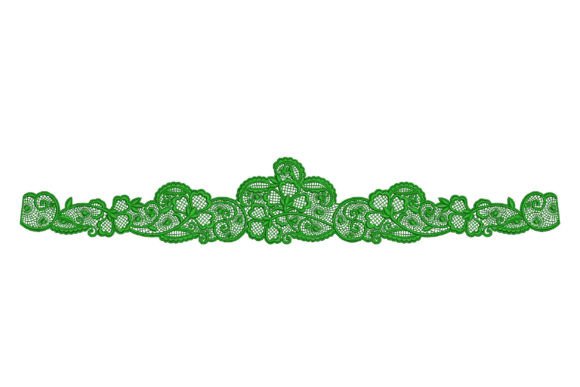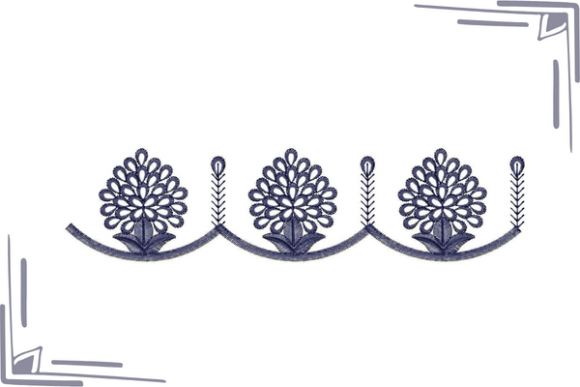
Cut Work Floral Border
First Impressions: Delicate, Joyful, and Surprisingly Versatile
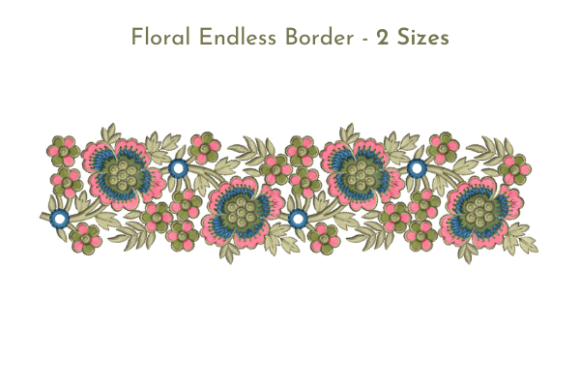
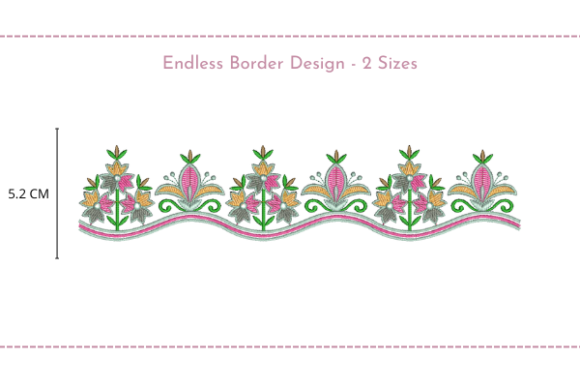
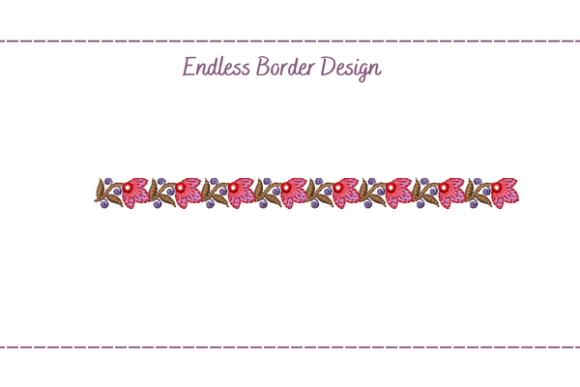
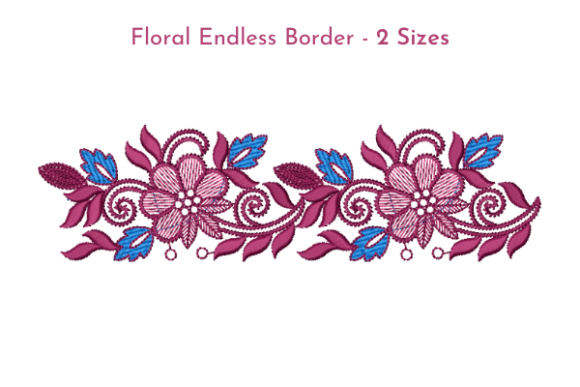
When I opened Cut Work Floral Border for the first time, I didn’t just see a border—I felt its rhythm. It’s light without being fragile, floral without being fussy, and structured enough to hold its own on both soft baby onesies and sturdy linen tea towels. The cutwork element adds subtle dimension—those tiny open spaces between petals and stems invite light and texture in a way solid-fill borders rarely do. It reads as cheerful but not childish, elegant but not formal. That balance is rare—and valuable—for anyone building a cohesive craft business or curating handmade product lines.
A Real-World Test: Embroidering a Linen Tote Bag for a Local Boutique
Last week, I used Cut Work Floral Border along the bottom hem of a natural linen tote for a small-town boutique launching their spring collection. Why this design? Because it framed the bag’s clean silhouette without overwhelming it—and because customers kept pausing at the display to trace the floral outline with their fingers. That tactile curiosity is gold. On the tote, the cutwork breathed. The open areas stayed crisp thanks to medium-weight tear-away stabilizer and 40-weight cotton thread in sage and buttercream. No puckering, no thread breakage—even across the slight curve where the side seam meets the base. It looked intentional, refined, and unmistakably handmade.
Where It Shines (and Where It Asks for Extra Care)
Cut Work Floral Border excels in projects where charm and clarity matter more than bold impact:
- Custom apparel: Works beautifully on sweatshirt cuffs, t-shirt hems, and apron pockets—especially when paired with a simple monogram or initial inside the border.
- Baby embroidery: Softens the look of organic cotton swaddles and bibs without compromising durability (just pre-wash fabric and use lightweight cutaway stabilizer).
- Home decor: Elevates kitchen towels, pillow covers, and napkin hems with quiet sophistication—no need for matching thread colors; tonal variations enhance the cutwork effect.
- Holiday and wedding gifts: Stitched in ivory on oatmeal linen, it reads as heirloom-ready. On deep navy velvet? It becomes quietly luxurious.
But be thoughtful where precision matters most:
- Small hoop sizes: This design needs breathing room. If your hoop is under 4" in diameter, test stitch placement first—you’ll likely need to crop or reposition to preserve the floral flow.
- Textured or stretchy fabrics: Terry cloth towels? Yes—with extra stabilizer and slower stitching speed. Jersey knits? Only with proper cutaway + topping, and even then, consider simplifying corners manually if your machine struggles with tight turns.
- Dark or dense backgrounds: The openwork shines brightest on light-to-mid-tone fabrics. On charcoal or black, ensure your thread has enough sheen (polyester works well here) to keep details legible after washing.
- Curved surfaces like caps: Not ideal for full-circumference use—but perfect as a clean, single-side accent above the visor or along the back strap.
What It Does for Your Craft Business—Beyond Pretty Stitches
As an embroidery designer who’s helped over two dozen Etsy sellers scale their listings, I can say this: Cut Work Floral Border isn’t just decorative—it’s strategic. It signals care. When a customer sees that delicate openwork on a personalized gift, they don’t just register “embroidered.” They register *intention*. That lifts perceived value, builds trust, and makes repeat purchases more likely. For small shop owners, it’s a quiet brand differentiator—especially next to generic scrollwork or over-saturated fill-stitch borders.
I’ve used it in printable mockups for client pitches—and every time, the design stood out for its balance of detail and restraint. It scales cleanly from 3” to 8”, holds up in black-and-white line art previews, and pairs effortlessly with minimalist fonts or hand-lettered phrases. That flexibility means fewer custom edits per project, faster turnaround, and stronger consistency across your digital embroidery file library.
Designer Notes You’ll Actually Use
Before you load Cut Work Floral Border into your machine or list it in your shop, take these five practical steps:
- Test on scrap fabric first—especially if you’re using textured weaves, blends, or new stabilizer combos.
- Check thread color contrast on both light and dark fabric swatches. Cutwork vanishes if thread blends too closely with the background.
- Review stitch density visually—not just in software. Dense satin stitch sections should feel smooth to the touch; running stitch connectors shouldn’t look sparse or broken.
- Confirm hoop size compatibility with your most-used frames. If you work mostly with 4x4 hoops, verify corner repeats or spacing adjustments won’t compromise the floral continuity.
- Inspect small details at 200% zoom—petal tips, stem joins, and inner cutwork edges should be clean, not jagged or overly dense.
And one non-negotiable: check licensing before selling finished items or reselling the embroidery file. This is a machine embroidery design built for real-world use—not just personal joy. Respect the creator’s terms so your craft business stays sustainable, ethical, and professional.
Final Thought: A Border That Bridges Craft and Commerce
Cut Work Floral Border doesn’t shout. It invites. It’s the kind of embroidery design that makes customers pause, lean in, and ask, “Did you make this yourself?” That’s the power of considered detail—of choosing a border that supports your vision instead of competing with it. Whether you’re stitching a one-of-a-kind baby blanket, prepping 50 embroidered patches for a craft fair, or building a signature look for your Etsy shop, this design earns its place in your embroidery project toolkit—not as filler, but as foundation.