Creative Flower Patch Review
A Cozy, Artistic Embroidery File That Feels Like Hand-Painted Stitching
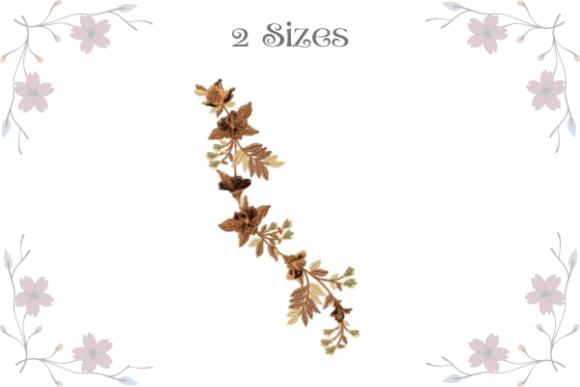
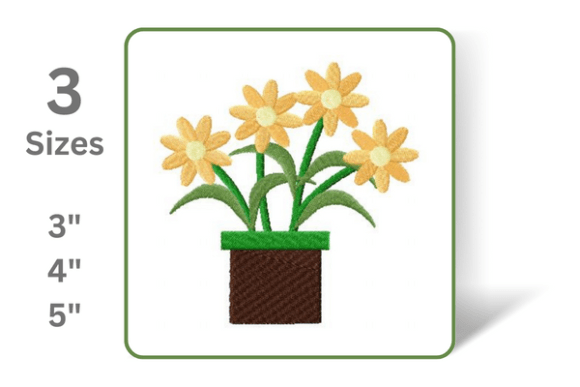
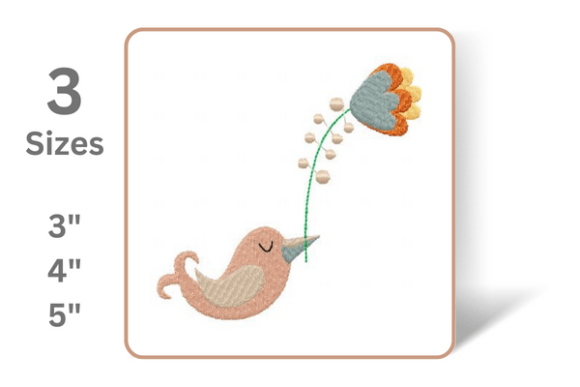
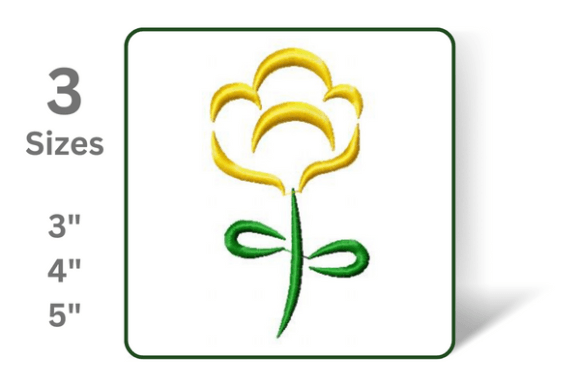
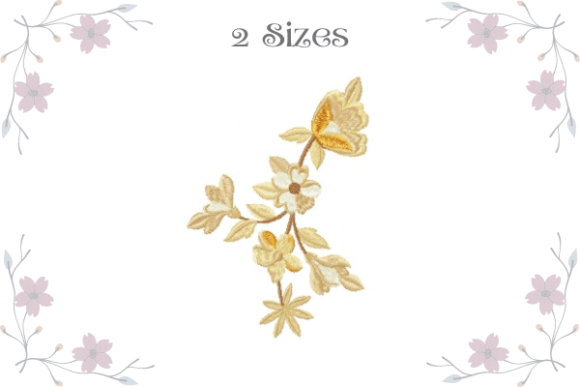
As an embroidery designer who’s stitched over 300 custom orders—from nursery wall hangings to boutique apron collections—I opened Creative Flower Patch expecting another floral repeat. Instead, I found a machine embroidery design with real breathing room: soft curves, intentional negative space, and layered petal shapes that avoid the “too-perfect” trap. It doesn’t shout—it invites. The visual mood is gentle but confident: botanical, unhurried, quietly detailed. This isn’t a filler border or background motif. It’s a focal-point embroidered patch, built for presence.
Where Creative Flower Patch Naturally Lands in Real Projects
I tested Creative Flower Patch across six product types I regularly produce for Etsy clients and local boutiques: linen pillow covers, organic cotton baby blankets, unisex sweatshirts, canvas tote bags, woven kitchen towels, and structured cap fronts. Its scale and flow made immediate sense on flat, stable surfaces—especially pillow covers and totes—where its organic shape reads clearly at 3–4 inches wide. On curved or tight-radius areas like caps, I resized it down to 2.5" and added light tear-away stabilizer underneath the crown seam; the petals held their shape without puckering. For baby blankets, I avoided dense fill-stitch centers and opted for lighter satin stitch outlines—less bulk, more snuggle-friendly texture.
Performance Notes Across Fabric Types & Use Cases
Creative Flower Patch behaves predictably—but not passively—across materials. On stretchy fabric like jersey sweatshirts, I used cutaway + topping (a light water-soluble film) to keep petal edges crisp. On dark fabric (navy terry kitchen towels), I confirmed thread color contrast early: pale peach and sage green threads lifted beautifully against deep backgrounds, but ivory faded too much—swap to off-white or cream for visibility. On textured weaves like linen-look pillow covers, the design’s moderate stitch density kept detail legible without sinking into the weave.
For commercial embroidery, especially custom apparel and embroidered patch production, Creative Flower Patch delivers consistent results across batches—provided you maintain tension calibration and use appropriate stabilizer for each substrate. It’s not overly dense, so it won’t overwhelm lightweight fabrics or cause stiffness in baby items. That said, I did pause before stitching it onto a curved cap bill: the outermost petal tips required slight manual repositioning in my hoop to avoid distortion. Not a flaw—just a reminder that even graceful designs need thoughtful placement on non-flat surfaces.
How It Elevates Your Handmade Product—and Your Customer’s Experience
This isn’t just about prettiness. Creative Flower Patch strengthens perceived value. When stitched onto a handmade tote bag, it shifts perception from “cute accessory” to “curated, intentional object.” Buyers notice the balance between line and space—the way the stem curls slightly, how one petal overlaps another with subtle layering. That nuance builds trust: it signals care, not automation. For Etsy sellers, that translates directly to better product photography (the design photographs cleanly, even in natural light), stronger customer engagement (“Is this hand-embroidered?”), and higher willingness to pay for personalized gifts.
In nursery decor or baby blanket listings, Creative Flower Patch adds quiet sophistication—no cartoonish florals, no cluttered stems. It supports brand consistency for makers who lean into earthy, minimalist, or heirloom aesthetics. And because it avoids tiny lettering or micro-details, it holds up through repeated washing—critical for kitchen towels, bibs, and baby items where durability matters as much as beauty.
Practical Embroidery Notes You’ll Want Before Stitching
- Always test on scrap fabric first—especially when pairing with new stabilizers or thread colors. What reads softly on white linen may look muted on oatmeal canvas.
- Review stitch density visually before loading into your machine. Dense fill areas should feel balanced—not swampy—against open satin-stitched petals.
- Confirm hoop size compatibility. While Creative Flower Patch fits standard 4x4 hoops comfortably, resizing up for pillow covers may require a 5x7. Check file details on Creative Fabrica before scaling.
- Compare mockups on light and dark fabric using your actual thread palette. A single shade shift can change warmth, contrast, and overall harmony.
- Use proper stabilizer: medium-weight cutaway for knits, tear-away for stable wovens, and light topping for textured surfaces. Skipping stabilizer here risks losing petal definition.
- Inspect small details post-stitch: check petal tips and stem junctions for skipped stitches or thread breaks—especially if running multiple units.
- Verify licensing on the Creative Fabrica product page before selling finished products. As a commercial embroidery designer, I only use files explicitly cleared for resale of physical goods.
Final Thoughts for Makers Who Value Integrity Over Speed
Creative Flower Patch won’t replace every floral embroidery file in your library—but it fills a specific, valuable gap: the need for a cohesive, emotionally resonant, commercially viable machine embroidery design that feels handmade without demanding handwork. It works for seasonal handmade gifts, boutique merchandise, craft fair staples, and printable mockups that convert browsers into buyers. It’s not flashy. It’s not trend-chasing. It’s thoughtfully composed, respectfully scaled, and quietly versatile.
If your workflow includes custom apparel, embroidered patch creation, or curated home goods—and you’re tired of floral motifs that read as generic or overly technical—Creative Flower Patch is worth reviewing alongside your current go-to designs. Not as a quick fix, but as a considered addition: one that supports your voice, honors your customer’s eye, and stays true to what makes embroidery meaningful—not just decorative, but deliberate.