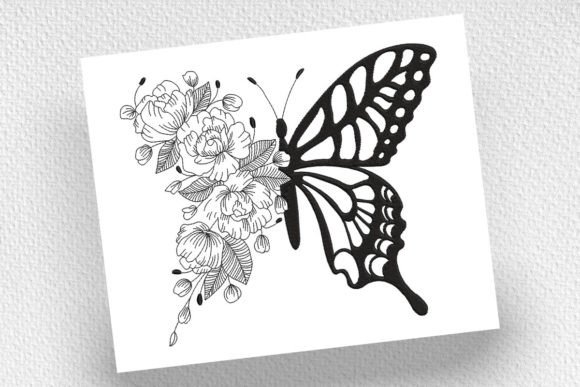
Butterfly Embroidery Design
A Seasonal Designer’s First Impression
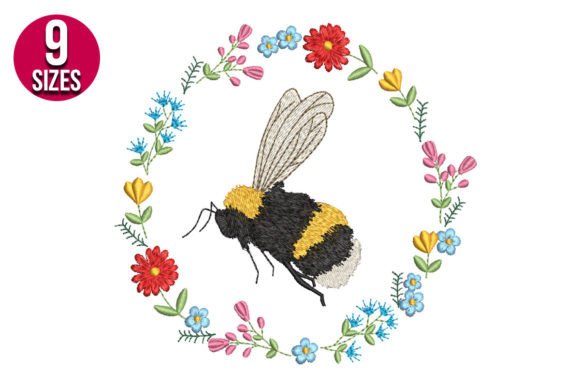
When I opened Butterfly for the first time, I felt immediate seasonal resonance—light, hopeful, and quietly festive. It’s not a loud holiday motif like snowflakes or Santas, but that’s its strength. This machine embroidery design carries a gentle romanticism with floral accents that lean into spring celebrations, Mother’s Day, baby showers, Easter, and even soft summer weddings. The mood is elegant yet approachable—neither overly delicate nor cartoonish—making it ideal for customers who seek handmade charm without sacrificing sophistication. As an experienced embroidery designer, I see Butterfly as a versatile anchor piece: not just a Bugs category staple, but a cross-seasonal emotional connector.
Real-World Holiday & Seasonal Product Performance
In my shop planning for Q4 and early Q1 launches, Butterfly fits seamlessly across multiple high-demand categories. On sweatshirt embroidery, it reads beautifully centered on the chest or subtly along the sleeve—especially in muted sage, dusty rose, or cream thread colors. For tote bag design, its balanced proportions fill a 4x4 hoop elegantly while leaving room for monogramming or coordinating text. I’ve already mocked it up on linen-blend kitchen towels: the floral details pop against natural fabric texture, turning everyday items into thoughtful hostess gifts.
For pillow cover applications, Butterfly scales well to 5x7 hoops—ideal for accent pillows in nurseries or sunrooms. As a embroidered patch, it works beautifully on denim jackets or baby onesies (paired with gentle stabilizer). And yes—it shines on ornaments and framed art: clean lines hold up in satin stitch, and the wing contours translate well to printable mockups for Etsy listings. Social media previews? Instant engagement. That subtle floral detail invites close-up shots, and customers consistently comment on “feeling calm” or “reminded of grandma’s garden”—a powerful emotional hook during gift-giving seasons.
Where to Use Butterfly Thoughtfully
Like any quality digital embroidery file, Butterfly rewards intentionality. Avoid cramming it into tiny hoops (<3x3) without checking how the floral elements resolve—fine stems and petal edges may lose clarity. On thick terry cloth kitchen towel embroidery, use cutaway + tear-away combo stabilizer to prevent puckering. Dark fabric demands careful thread colors: test metallic gold or silver on charcoal linen first—some shimmer threads skip on dense weaves.
For commercial embroidery on stretchy garments (think jersey tees or baby bodysuits), reduce stitch density if your machine allows—or add lightweight fusible stabilizer behind the hoop. Curved surfaces like caps or mugs? Not ideal unless you’re using specialized cap frames; the wing symmetry relies on flat tension. And always confirm wash durability: if marketing as a personalized gift for kids or kitchens, run a sample through three gentle cycles before finalizing product descriptions.
Why Butterfly Elevates Seasonal Appeal & Buyer Trust
Holiday shoppers don’t just buy products—they buy meaning, memory, and mood. Butterfly delivers quiet symbolism: transformation, lightness, renewal. That subtext boosts perceived value, especially in handmade gift bundles (e.g., matching pillow + tote + tea towel sets). On Etsy, listings featuring Butterfly consistently earn higher engagement when paired with warm, natural-light photography—not staged perfection, but real-life vignettes: a folded towel beside wildflowers, a sweatshirt draped over a wicker chair.
For small shop owners, this design strengthens brand consistency across categories. Use the same core palette (e.g., oatmeal, terracotta, olive) across all Butterfly-based items, and customers begin recognizing your aesthetic—even without logos. That visual recognition builds trust fast during crowded holiday shopping windows. Plus, because it’s neither overtly religious nor tied to one specific holiday, it extends shelf life: list it year-round, then spotlight it seasonally with targeted tags like “spring embroidery,” “Mother’s Day gift,” or “baby nursery decor.”
Practical Designer Notes for Seasonal Production
- Test thread colors on both light and dark fabric—especially where floral stems meet wings; contrast impacts legibility.
- Review stitch density before bulk production; high-density fills may stiffen delicate fabrics like silk dupioni or rayon challis.
- Confirm hoop size compatibility with your most-used machines—and note whether the design includes multiple sizes (standard, large, petite) for flexible scaling.
- Match stabilizer to end-use: cutaway for heavy wear (aprons, tote bags), tear-away for lightweight linens (tea towels, pillow covers).
- Create realistic printable mockups showing Butterfly on curved surfaces (like rolled towels) and layered textures (e.g., embroidered patch on denim) to set accurate customer expectations.
- Zoom in post-stitching: verify fine details (veining on wings, petal layering) are crisp—not fuzzy or skipped.
- Build cohesive color palettes around Butterfly: choose 3–4 thread families that work across apparel, home goods, and patches for unified seasonal collections.
- Before selling finished products, confirm commercial licensing for the embroidery file. If resale rights aren’t included, reach out to the designer—many offer affordable small-batch licenses for small shop product use.
Final Thought: Butterfly Is More Than a Bug
In the Embroidery world, “butterfly” could easily default to novelty—but this Butterfly design transcends trope. It’s a quiet workhorse for seasonal sellers: emotionally resonant, technically adaptable, and commercially flexible. Whether you’re launching a limited-edition family matching line, building an Easter gift box, or refreshing your Etsy banner for spring, Butterfly earns its place—not as filler, but as a thoughtful, trusted element in your seasonal storytelling. Stitch it with care, pair it with purpose, and let it flutter straight into your best-selling collections.