Floral Pillow Decor: A Thoughtful Embroidery Design for Meaningful Gifts
First Impressions: Sweet, Elegant, and Quietly Timeless
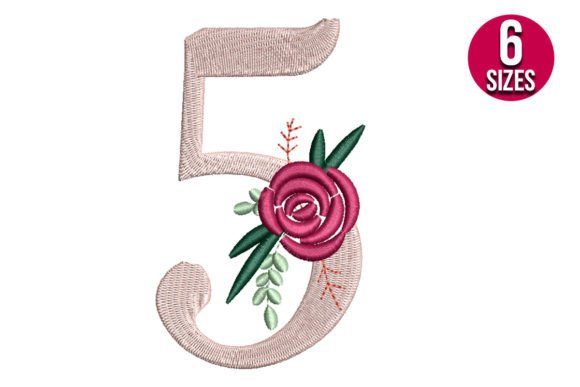
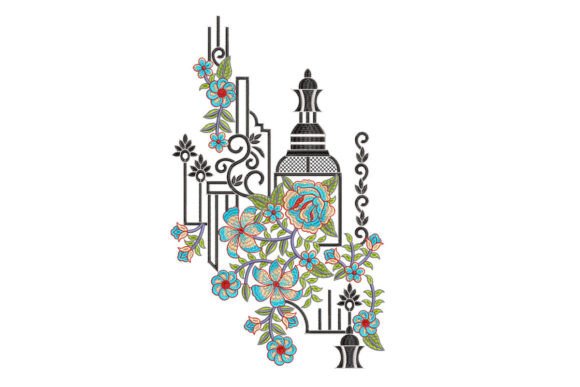
Unzipping the zip file for Floral Pillow Decor, I felt that familiar spark—the one that tells me a design has quiet intention behind it. This isn’t loud or trendy; it’s soft-edged, gently balanced, and rich in botanical warmth. The motif reads as both classic and contemporary: layered petals, subtle vine movement, and open negative space that invites breathing room—not overcrowding. It feels handmade without looking amateurish, romantic without veering into fussy, and delicate without sacrificing stitch integrity. For customers seeking emotional resonance—new parents choosing nursery decor, couples curating wedding keepsakes, or grandparents ordering a custom baby blanket—Floral Pillow Decor lands with sincerity.
Where This Design Truly Shines
As an embroidery designer who’s shipped thousands of personalized gifts, I’ve learned which motifs earn repeat orders—and Floral Pillow Decor fits squarely into that trusted tier. Here’s where it adds real value:
- Baby embroidery: Ideal for onesies, burp cloths, and crib pillows—its gentle scale and organic flow soothe rather than overwhelm tiny spaces.
- Wedding gift: Stitched onto linen pillow covers or monogrammed tea towels, it whispers elegance without competing with monograms or dates.
- Nursery decor: Paired with neutral cotton or linen, it becomes heirloom-ready—soft enough for a toddler’s room, refined enough for a minimalist bedroom.
- Custom tote bags & aprons: Works beautifully when centered on structured canvas or medium-weight cotton—adds artisanal charm without bulk.
- Etsy seller & small shop product: Photographs exceptionally well against natural light and textured backdrops, helping handmade sellers stand out in crowded feeds.
Smart Usage Notes for Real-World Production
Not every surface welcomes floral embroidery equally—and Floral Pillow Decor is no exception. Before committing to customer orders, test carefully on:
- Textured fabric: Heavy terry cloth or nubby linen can mute fine petal definition. Opt for smoother weaves like quilting cotton or sateen for best detail retention.
- Dark fabric: Light thread colors may lack contrast. Always run a printable mockup first—or choose deeper thread tones (muted sage, dusty rose, charcoal grey) that honor the design’s mood while ensuring visibility.
- Stretchy baby clothes: Avoid placing near seams or curved areas like necklines. Use cutaway stabilizer and reduce stitch density slightly if your machine allows.
- Curved surfaces (like rounded pillow corners): Hoop flat, then carefully reposition post-stitching—don’t force the hoop around curves mid-embroidery.
- Frequently washed items (kitchen towels, baby blankets): Confirm thread colorfastness and use high-quality polyester or rayon threads rated for laundering.
Why It Elevates Giftability—and Customer Trust
A personalized gift isn’t just about the item—it’s about the feeling it carries. Floral Pillow Decor supports that intention effortlessly. Its balance of simplicity and detail signals care—not rushed production. When stitched cleanly on a quality pillow cover or embroidered towel, it reads as *intentional*, not generic. That perception directly lifts perceived value: buyers pay more for pieces that feel curated, not mass-produced. For Etsy sellers and craft fair vendors, this translates to stronger buyer engagement—longer photo dwell time, more saved listings, higher conversion on custom order inquiries. And because it avoids cliché (no overused hearts or cartoon florals), it builds trust: customers believe you understand their taste, not just their budget.
Practical Embroidery Notes You Can’t Skip
Before stitching Floral Pillow Decor for sale—even as a digital embroidery file preview—run these checks:
- Test on scrap fabric matching your intended product (e.g., linen pillow cover, terry towel, cotton apron).
- Check thread color contrast under both natural and indoor lighting—some pinks and greens shift dramatically.
- Confirm hoop size compatibility—does it fit comfortably in your most-used hoop? If not, adjust placement or resize proportionally (never stretch).
- Review stitch density: dense fill areas should hold shape on medium-weight fabric but won’t overwhelm lightweight cotton if stabilized correctly.
- Use proper stabilizer: tear-away for stable wovens, cutaway for knits or towels, and fusible + tear-away for sheer or slippery fabrics.
- Compare light and dark fabric mockups—a printable PDF or simple Photoshop layer helps visualize final impact before hooping.
- Inspect small details post-stitch: petal tips, vine ends, and inner leaf veins should remain crisp—not frayed or lost in thread buildup.
- Verify commercial licensing before selling finished products—this is non-negotiable for Etsy sellers, baby product creators, and wedding gift designers.
Final Thoughts for Makers Who Value Meaning Over Mass
Floral Pillow Decor doesn’t shout. It lingers. That’s its strength—and why it works so well across categories: bedroom essentials, baby embroidery, wedding gifts, and handmade product lines alike. It meets customers where they are—celebrating new life, honoring love, marking milestones—without demanding attention. As a working embroidery designer, I appreciate how thoughtfully scaled and technically considerate it is. It respects fabric, thread, and time. And for small business owners building a brand rooted in authenticity? That kind of consistency—between design, execution, and emotional resonance—is rare. Use it with intention, test with care, and let it help you create personalized gifts that feel like promises kept.