Beautiful Border Embroidery Design
First Impression: Elegant, Decorative, and Instantly Recognizable
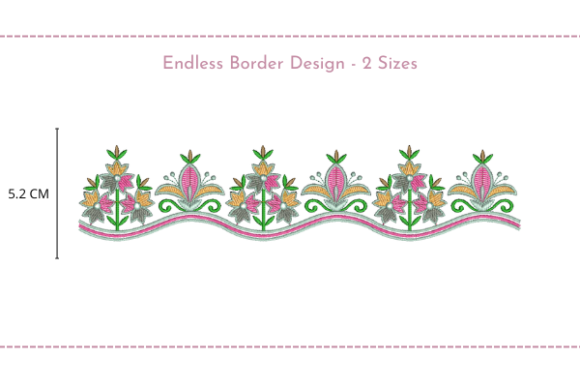
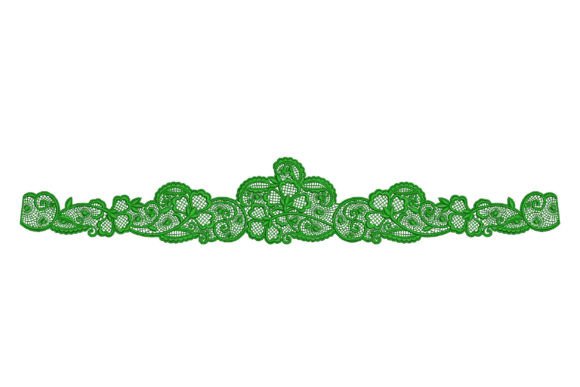
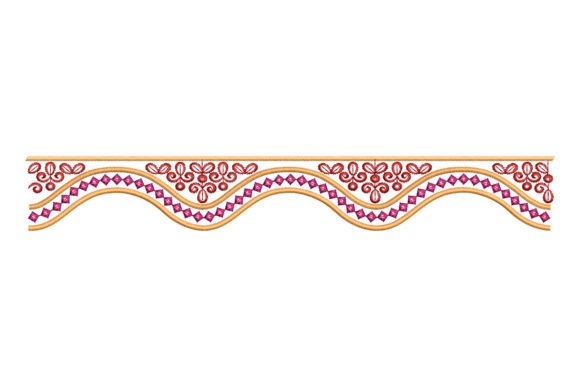
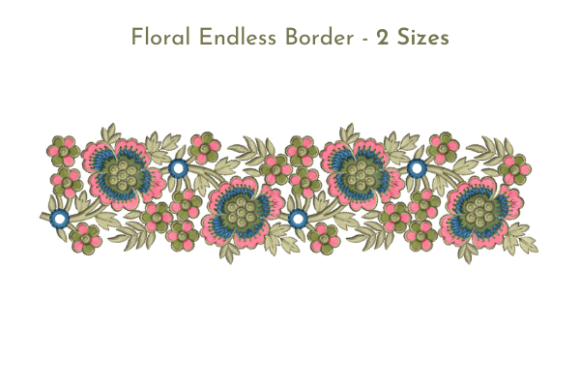
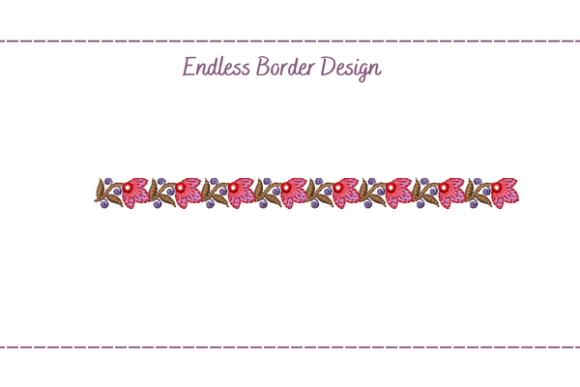
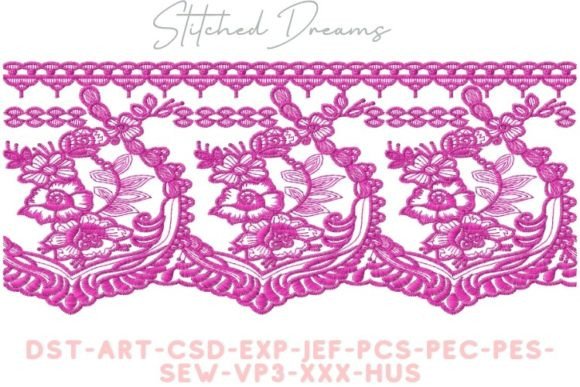
As an embroidery designer who’s prepped over 200 craft fair booths, I can tell you—Beautiful Border Embroidery Design lands with quiet confidence. It’s not loud or trendy; it’s elegant, decorative, and unmistakably handmade. The title alone signals intentionality—not just “a border,” but a beautiful one. And the description—“stunning border intricately crafted with blooming flowers and elegant ornaments”—tells me this isn’t a minimalist line art repeat. It’s lush, intentional, and built for visual impact. Customers browsing a crowded handmade market won’t scroll past it. They’ll pause. Touch the fabric. Ask, “Is that all stitched?” That’s your opening.
Where It Shines: Craft Fair Products That Sell
This machine embroidery design thrives where elegance meets utility. On a heavyweight cotton tote bag? Perfect—the floral motifs frame the side seam beautifully and read clearly from three feet away. On an apron? It elevates the pocket edge or waistband without overwhelming the wearer’s movement. For tea towel embroidery, it anchors the top hem with refined charm—especially on ivory, oat, or slate linen-look towels where thread contrast sings. As an embroidered patch? Yes—but only if stitched on medium-weight twill or denim; delicate florals blur on flimsy backing.
It also works powerfully on small-shop products: pillow covers (centered along the bottom 3 inches), fabric pouches (wrapped around the flap edge), and even structured caps—provided you place it cleanly on the front panel and avoid the curve of the crown. Avoid using it full-wrap on curved surfaces like baseball caps unless you’ve tested stitch pull and distortion. For Etsy sellers, this digital embroidery file is gold in listings for “elegant kitchen gifts” or “boutique home accessories.” Pair it with a clean printable mockup showing soft lighting and natural fabric drape—and watch conversion rise.
Real-World Production Notes Every Designer Should Check
Beautiful Border Embroidery Design is gorgeous—but it demands attention before batch production. First: stitch density. Described as “intricately crafted” and “delicate floral,” it likely includes fine petals, slender stems, and tight ornament fills. That means higher thread consumption and longer run times per piece. Test on scrap fabric *before* hooping 50 tea towels. Watch for puckering—especially on textured towels or loosely woven linens. Use cutaway stabilizer underneath and light tear-away on top for crisp detail.
Hoop size matters. Borders often stretch across wide areas—so confirm the actual dimensions and required hoop compatibility. If it’s designed for a 5x7 hoop but stretches to 6.8" wide, you’ll need to reposition or split on larger items. Also verify thread colors: soft pinks, sage greens, and antique golds will enhance its premium feel—but high-contrast combos (like navy thread on black fabric) may mute the delicacy. Always test contrast on your exact fabric colorway. Dark fabric? Consider satin-stitched outlines or subtle metallic accents to lift detail.
What Buyers Notice—And Why It Converts
In person, Beautiful Border Embroidery Design reads as handmade quality, not mass-produced. That perception boosts perceived value instantly—critical when pricing a $48 embroidered pillow cover or $32 market bag. At a craft fair, booth samples with this border consistently draw slower walks, longer stops, and more “Where did you get that made?” questions. It supports brand consistency too: whether you’re selling under a cottage-core label or a modern heirloom line, this border feels intentional, not generic.
Online, it photographs exceptionally well—especially flat-laid or gently draped. The floral rhythm creates natural eye flow, helping buyers visualize it on their own items. Unlike dense all-over patterns, this border leaves breathing room, making it ideal for lifestyle shots. And because it’s modular (a continuous or symmetrical repeat), it scales gracefully—from a 2" accent on a hair clip pouch to a 12" sweep across a table runner. That versatility makes it a smart investment for digital sellers building a cohesive design assets library.
Careful-Use Scenarios: When Less Is More
- Tiny details on dark or napped fabric: Delicate stamens or fine tendrils may vanish on charcoal terry cloth or fleece-backed caps. Simplify or omit inner fills if clarity suffers.
- Curved surfaces: Caps, mugs (if used for iron-on transfers), or rounded pouch corners distort tight floral repeats. Always test placement and adjust tension.
- Small sizes: Shrinking below 3" height risks losing ornament definition. Use it as a focal accent—not a micro-detail—at tiny scales.
- Thick or layered fabric: Double-layered apron pockets or quilted pillow covers require extra stabilizer support and possibly reduced density in fill areas.
Final Designer Checklist Before Selling
- Test the embroidery file on your exact fabric + stabilizer combo—not just cotton muslin.
- Confirm thread contrast by stitching a swatch in your intended palette.
- Review spacing between floral elements: tight clusters may cause thread nesting; generous spacing improves breathability and reduces bulk.
- Verify hoop size requirements and plan layout for each craft fair product (e.g., centering on a tote vs. wrapping a pouch flap).
- Inspect stitch density visually—look for overly dense fills that could stiffen fabric or cause wear over time.
- Create at least one real finished product mockup—not just digital—and photograph it in natural light.
- Compare how it looks on 3+ fabric colors (light, mid, dark) to guide customer-facing imagery.
- Confirm commercial licensing terms before applying to resale items—this is non-negotiable for Etsy sellers and boutique makers.
Bottom line? Beautiful Border Embroidery Design isn’t just another digital embroidery file. It’s a thoughtful, display-ready asset—one that strengthens your booth presence, deepens buyer trust, and quietly signals craftsmanship. Used intentionally, it turns everyday handmade products into keepsakes. Just remember: elegance demands precision. Test. Refine. Then stitch with pride.