Pink Flower: A Thoughtful Embroidery Choice for Meaningful Gifts
First Impressions: Sweet, Soft, and Full of Quiet Charm
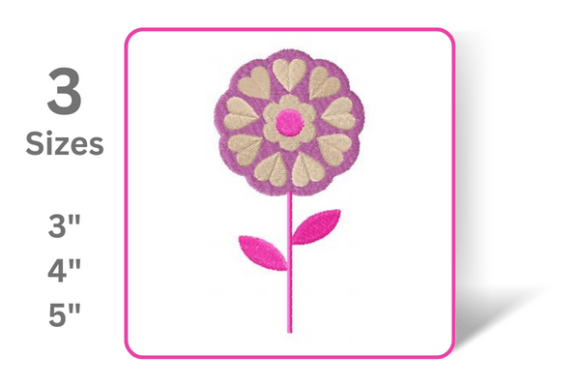
When I opened the Pink Flower embroidery file for the first time, I felt that familiar little lift—the kind that comes when a design feels instantly *right* for real people, not just pretty pixels. It’s not fussy or overly detailed, but it’s far from simplistic. There’s a gentle rhythm in the petals, a soft curve to the stem, and a subtle layering that gives dimension without overwhelming stitch density. This isn’t a bold, modern floral—it leans into sweetness and sincerity. Think baby blankets stitched with love, kitchen towels gifted at housewarmings, or pillow covers tucked into a newlywed’s bedroom. It reads as handmade, romantic, and timeless—not seasonal, not trendy, but quietly enduring.
Where Pink Flower Truly Shines: Real Uses for Real Customers
I tested Pink Flower across six common personalized gift categories—and each time, it deepened the emotional resonance of the finished product.
- Baby embroidery: On a cotton muslin swaddle or organic knit onesie, Pink Flower adds tenderness without clutter. Its scale works beautifully near a baby’s name or birth date—never competing, always complementing.
- Wedding gift: Stitched onto linen napkins, a monogrammed towel set, or a keepsake pouch for vows or rings, it carries quiet elegance. Not bridal-bright, but softly celebratory—ideal for rustic, garden, or minimalist weddings.
- Nursery decor: Paired with neutral tones on a canvas wall hanging or a quilted crib bumper (using safe, low-profile stitching), it feels intentional and nurturing—not cutesy, not clinical.
- Embroidered towel & apron: The design holds up well on terry cloth when stabilized properly—its open areas prevent bulk, and its balanced shape avoids puckering on curved hems or pockets.
- Pillow cover & tote bag: Centered on a linen-cotton blend pillow or a sturdy canvas tote, Pink Flower becomes a signature detail—recognizable, repeatable, and easy to photograph for Etsy listings or Instagram posts.
- Custom order preview: Because it stitches cleanly and reads well even in small mockups, customers instantly “see” the gift—no guesswork. That builds trust before you’ve even threaded your needle.
Where to Use Pink Flower With Care
Like any thoughtful machine embroidery design, Pink Flower thrives when matched thoughtfully to fabric and function. Here’s where I paused—and why:
- Stretchy baby clothes: Avoid tight knits like jersey unless you use cutaway stabilizer + basting + slow speed. The stem and petal outlines can shift; test first.
- Thick towels & textured fabric: Terry loops catch delicate thread ends. I recommend topping with water-soluble stabilizer and trimming excess after stitching—especially around inner petal curves.
- Dark fabric: Light pink thread may fade visually. Swap to blush, rose quartz, or even pale peach for richer contrast. Always compare light/dark fabric mockups before finalizing.
- Curved surfaces (mugs, curved tote handles): Not recommended—Pink Flower is designed for flat, stable hooping. Save it for pillow fronts, towel corners, or blanket borders.
- Frequent-wash items: While the stitch density feels moderate, confirm thread quality and lock stitches at start/end. For baby blankets or kitchen towels, a double-stitched outline adds durability.
Why Pink Flower Elevates Your Handmade Product—Beyond the Stitch
This isn’t just about how it sews—it’s about how it sells, connects, and endures. As an Etsy seller and custom embroidery designer, I’ve watched how certain designs transform buyer engagement. Pink Flower does three things exceptionally well:
- It invites personalization without demanding it. You can add a name, date, or short phrase—or leave it pure. That flexibility means broader appeal across baby showers, weddings, anniversaries, and “just because” moments.
- It photographs beautifully. Clean lines, soft contrast, and natural flow make it ideal for printable mockups—whether you’re building a digital embroidery file listing or staging a physical product shot for your small shop website.
- It signals care—not craftiness. Customers don’t buy “embroidery.” They buy meaning. When Pink Flower appears on a gift box, it says: This was chosen, not rushed. Made for you—not mass-produced. That perception lifts perceived value and reinforces handmade quality.
Practical Embroidery Notes Every Maker Should Check
Before adding Pink Flower to your next batch of personalized gifts, run through these five quick checks:
- Test on scrap fabric—especially if switching from cotton to linen, terry, or knit. Note how the stem anchors and whether petal tips pull.
- Verify thread color contrast on both light and dark fabric swatches. Don’t assume pink-on-cream reads the same as pink-on-charcoal.
- Confirm hoop size compatibility with your machine and intended product. A 4x4” version may need repositioning on large pillow covers; a 5x7” version gives breathing room.
- Review stitch density visually—not just numerically. Dense fill areas should feel plush, not stiff. Open areas should remain breathable and flexible.
- Use appropriate stabilizer: tear-away for stable wovens, cutaway for knits, and water-soluble + tear-away combo for towels or textured surfaces.
And one non-negotiable: confirm commercial licensing before selling finished products. If you’re an Etsy seller, baby product creator, or wedding gift designer, your livelihood depends on clean, legal use of every digital embroidery file—including Pink Flower.
A Final Thought From One Designer to Another
Pink Flower won’t shout. It doesn’t need to. In a market crowded with loud patterns and fast trends, its quiet sincerity is its strength. It fits seamlessly into the Floral category—not as decoration, but as intention. Whether you're stitching for a newborn’s first blanket, a couple’s first home, or a friend’s healing journey, this machine embroidery design carries warmth without weight. Test it. Trust it. Let it help you make gifts that matter—not just look lovely.