Flowers Digital Embroidery Design
A Practical Review for Small Business Merch & Branded Patches
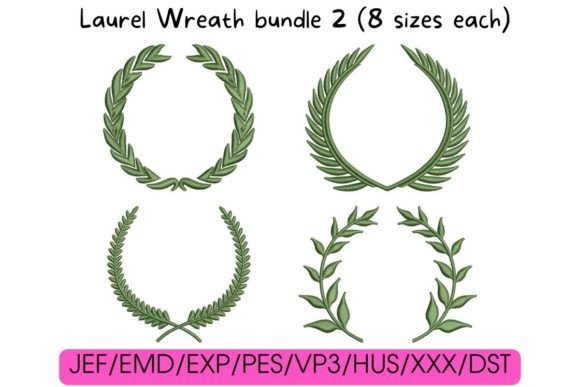
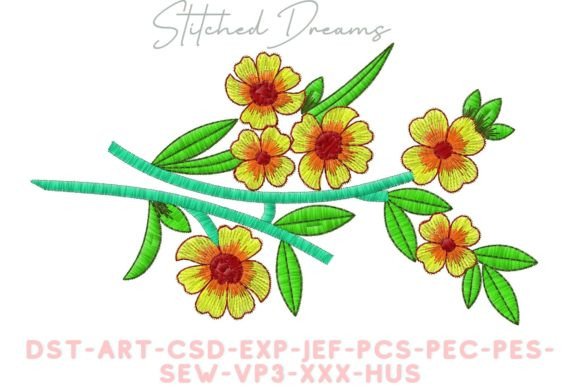
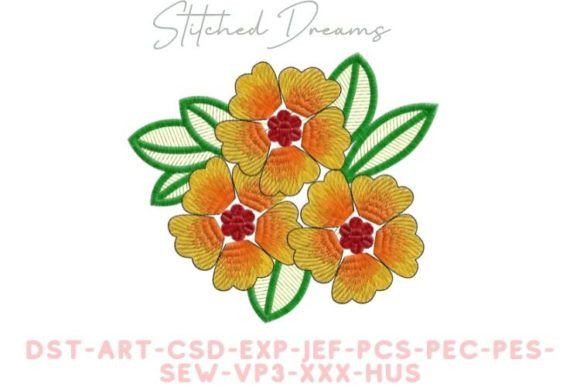
As an embroidery designer who’s digitized over 2,000 custom logos and floral motifs for cafés, boutiques, florists, bakeries, and pet brands, I approached the Flowers Digital Embroidery Design with a very specific question: Does this work as functional brand architecture—not just pretty decoration? The answer is yes—but only when applied intentionally. This isn’t a generic clipart flower; it’s a Floral Wreaths-category machine embroidery design built for real-world business use: embroidered patches, apron embroidery, cap embroidery, tote bag design, and staff uniforms.
First Impression: Friendly, Elegant, and Professionally Balanced
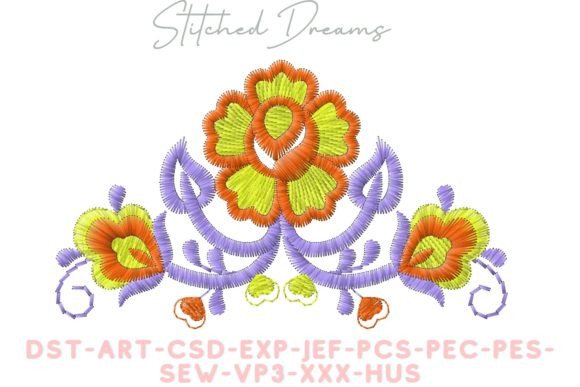
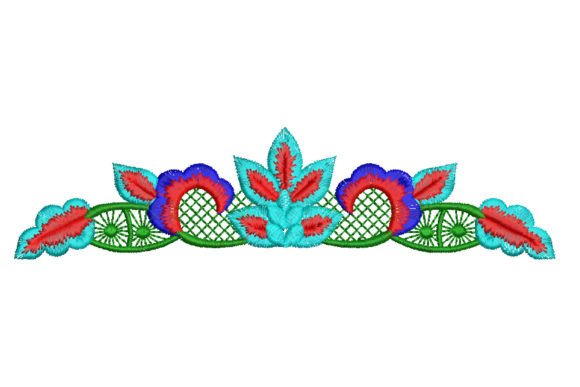
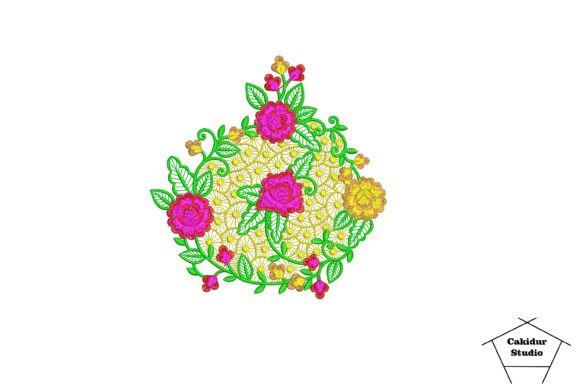
The title alone—Flowers Digital Embroidery Design—signals clarity and purpose. No vague terms like “boho bloom” or “vintage sprig.” That matters when sourcing for commercial embroidery. Based on its description as a “meticulously crafted computer-generated pattern” featuring “intricate, lifelike” flowers and leaves, the design reads as elegant yet approachable: not overly fussy, not too minimal. It leans classic with modern precision—ideal for small businesses that want warmth without sacrificing polish. Think: a local florist’s apron, a ceramic studio’s tote bag, or a bakery’s sleeve detail. It feels handmade in spirit but engineered for consistency across dozens of embroidered patches.
Where It Shines in Real Business Applications
This digital embroidery file excels where brand visibility meets tactile quality:
- Embroidered patches: Clean outer shape and balanced negative space make it highly legible at 2.5"–3.5". Perfect for sew-on branding on jackets, backpacks, or product packaging accents.
- Staff uniforms & aprons: The organic flow avoids rigidity—ideal for chest logos or pocket accents on cotton or linen blends. Customers subconsciously associate this soft structure with care and craftsmanship.
- Cap embroidery: Works well on structured front panels if scaled appropriately. Avoid placing near the curved bill seam unless tested—the leaf elements must retain definition.
- Tote bag design: Holds visual weight on canvas or duck cloth without overpowering. Paired with subtle thread colors (e.g., sage green + cream), it elevates perceived product value instantly.
- Etsy branding & handmade product labels: Adds authenticity to craft business assets—especially when stitched onto fabric tags, gift wrap bands, or reusable produce bags.
Careful Use Zones: Know the Limits
Even refined embroidery files have constraints. For the Flowers Digital Embroidery Design, proceed with caution in these scenarios:
- Small patch sizes under 2": Delicate leaf veins or tight petal outlines may collapse or blur. Always test at final size before bulk production.
- Curved surfaces (like cap fronts or rounded mugs with fabric wraps): High stitch density in inner flourishes can pucker if stabilizer choice or hooping isn’t precise.
- Dark uniforms or textured fabric: Review thread color contrast carefully. A pale yellow bloom on navy twill needs higher-contrast underlay or tone-on-tone dimension.
- Frequent-wash items (e.g., café aprons, daycare staff shirts): Confirm whether satin-stitched centers or fine stemwork are reinforced for durability—or suggest a simplified version for high-turnover pieces.
Brand Identity Impact: More Than Just Pretty Stitches
When integrated thoughtfully, the Flowers Digital Embroidery Design strengthens brand identity in measurable ways. Its cohesive rhythm—neither chaotic nor sterile—builds customer trust through visual consistency. A florist using it on both embroidered patches and printable mockups creates continuity across digital and physical touchpoints. For Etsy sellers, it signals attention to detail: buyers equate clean stitch execution with product care. And for boutique merchandise? That subtle elegance raises perceived value—making a $28 tote feel like a curated keepsake, not disposable promo gear.
Pro Designer Notes Before You Stitch
Before committing to production, here’s what I always do—and recommend you do—with any digital embroidery file:
- Test it in black and white first—this reveals spacing issues, overcrowded areas, and outline clarity without color distraction.
- Check how it renders at your smallest intended patch size. Does the center motif hold integrity? If not, request or create a simplified variant.
- Review thread color contrast against your base fabric—especially for dark or heathered textiles.
- Inspect spacing between petals and stems. Tight gaps can cause thread nesting or skipped stitches on low-tension machines.
- Confirm hoop size compatibility. Floral wreaths often require larger hoops—verify yours supports the design’s footprint.
- Test on real fabric with your intended stabilizer. A lightweight tear-away works for cotton totes; a cut-away + topping combo may be essential for knits or caps.
- Create a physical or digital mockup for client approval—especially for custom apparel or event merch.
- Compare it beside your other design assets (logos, fonts, icons). Does it harmonize—or compete?
- Verify commercial licensing. Since this is a machine embroidery design intended for business use, confirm you’re cleared for resale, branded patches, and small business merch distribution.
Remember: the Flowers Digital Embroidery Design isn’t just a file—it’s part of your brand’s tactile language. Used with intention, it transforms everyday items into memorable brand moments. Whether stitched on a barista’s apron or a pet brand’s embroidered patch, it quietly says: We pay attention to detail. We value quality. We’re rooted in care. That’s not decoration. That’s strategy—stitched.