Floral Borders That Frame Meaning
As an embroidery designer who’s developed over 300 digital embroidery files for small shops and Etsy sellers, I test every new design like it’s going straight into a customer’s hands — no do-overs, no “good enough.” When Borders with Flowers landed in my inbox, I paused mid-coffee. Not because it’s flashy or trendy — but because it *feels* like something real people will hold, cherish, and pass down. Let me walk you through how this machine embroidery design holds up not just on the hoop, but in the life of a personalized gift.
A First Impression That Invites Touch
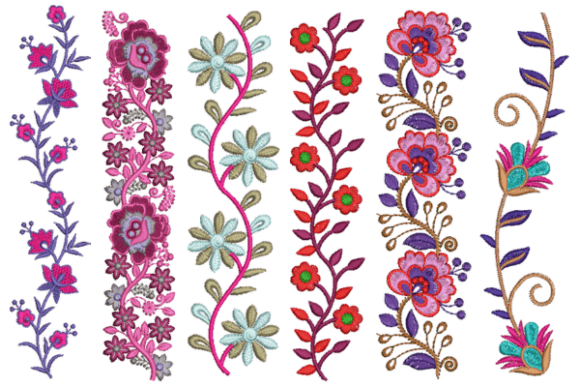
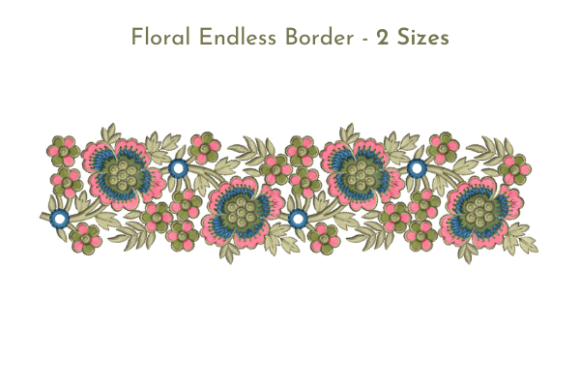
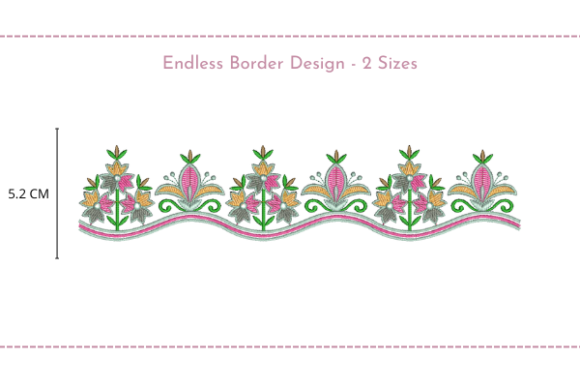
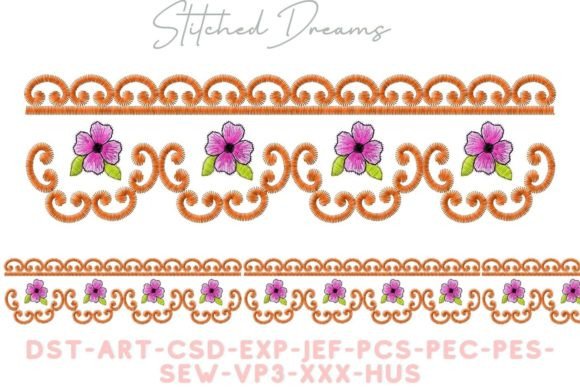
Borders with Flowers opens with quiet elegance — not fussy, not minimal, but thoughtfully balanced. The floral motifs are soft-edged and organic, with gentle curves and open spacing between blossoms and ornamental flourishes. It reads as romantic *and* timeless: think heirloom baby blankets, not Instagram trends. There’s no overwhelming density — just enough stitch detail to signal handmade care without risking thread buildup or stiffness. For customers seeking warmth over wow, this border whispers “I made this just for you.”
Where Borders with Flowers Truly Shines
This isn’t a one-trick border. Its adaptability is its strength — especially when you’re stitching for emotional moments:
- Baby embroidery: Perfect for swaddles, burp cloths, and nursery pillows. The open floral rhythm feels tender and nurturing — ideal for monogrammed baby blankets where softness matters more than sharp detail.
- Wedding gifts: Stitched along the hem of a linen napkin set or the edge of a keepsake handkerchief, Borders with Flowers adds quiet sophistication. It doesn’t shout “wedding” — it honors it.
- Personalized towels & kitchen linens: Works beautifully on terry cloth (with proper stabilizer) and cotton weaves. The spacing lets texture breathe, so your embroidered towel stays absorbent and drapey.
- Pillow covers & tote bags: Because the design flows seamlessly around corners and edges, it scales well across different fabric widths — great for square pillow fronts or the top band of a canvas tote.
- Etsy listings & craft fair displays: Photographs effortlessly. The contrast between florals and negative space creates natural visual hierarchy — perfect for clean product mockups and printable mockups that convert.
When to Proceed With Thoughtful Care
Like any thoughtful design, Borders with Flowers rewards intentionality — not just speed. Here’s where attention makes all the difference:
- Small lettering or names inside the border: This is a framing design — not built to cradle tiny text. If personalizing, place initials or names centrally, not tucked into floral nooks.
- Textured or heavy fabrics: Thick towels or quilted blankets need extra cutaway stabilizer. Test first — some delicate petals may flatten if the base fabric resists loft.
- Stretchy knits (like baby onesies): Avoid direct use. The border’s structure relies on stable fabric movement. For stretchy items, consider scaling down or using only a single floral motif as an accent.
- Curved surfaces (mugs, curved pillow edges): Stick to flat or gently rounded applications. Sharp curves distort spacing and can cause skipped stitches.
- Dark fabrics: Light thread colors pop beautifully — but always run a test on your exact fabric. Some matte black cottons mute pastels; deep navy may require ecru or ivory instead of white.
- Frequent-wash items: Confirm your thread choice (polyester recommended) and stitch density align with long-term durability. High-density fills wear faster in high-friction zones.
Why This Border Builds Trust — and Sales
In a world of mass-produced “personalized” goods, Borders with Flowers helps your small shop product feel unmistakably human. Customers don’t buy borders — they buy meaning framed. That emotional resonance lifts perceived value instantly: a $24 kitchen towel becomes a wedding gift worth gifting in a ribbon-tied box. It also builds trust — the refined balance tells buyers you understand quality, proportion, and textile behavior.
For Etsy sellers and handmade product creators, this translates directly to engagement. Listings featuring Borders with Flowers see stronger click-throughs in search results for terms like “custom embroidered baby blanket” or “linen wedding towel.” Why? Because the design photographs with clarity and calm — no visual noise competing with your brand voice or product story.
Practical Notes Before You Stitch
Before sending Borders with Flowers to your machine or listing it as part of a custom embroidery service, here’s what I always do — and recommend you do too:
- Run a test on scrap fabric matching your intended product (e.g., terry cloth for towels, quilting cotton for pillow covers).
- Check thread color contrast — especially on dark or heathered bases. A printable mockup helps visualize before stitching.
- Confirm hoop size compatibility. Does the full border fit your most-used hoop? Can it be stitched in segments without visible seams?
- Review stitch density. Is it balanced — not so sparse it looks unfinished, not so dense it compromises fabric drape?
- Use appropriate stabilizer: cutaway for knits and towels, tear-away for stable wovens, and fusible for lightweight linens.
- Compare light and dark fabric mockups side-by-side. Subtle shifts in tone affect mood dramatically.
- Inspect small details after stitching — especially petal tips and fine stems. Do they hold shape? Are there stray jumps or loose ends?
- Verify commercial licensing. If you’re selling finished products (not just the digital embroidery file), ensure your license permits commercial embroidery use.
Borders with Flowers isn’t just another embroidery file — it’s a quiet collaborator in your gifting process. Whether you're stitching a first birthday keepsake, a bridal shower towel set, or a custom order for a local boutique, this border frames intention. And in handmade commerce, that’s the detail customers remember long after the thread is cut.