Decorative Floral Element
A Soft, Romantic Touch for Meaningful Handmade Gifts
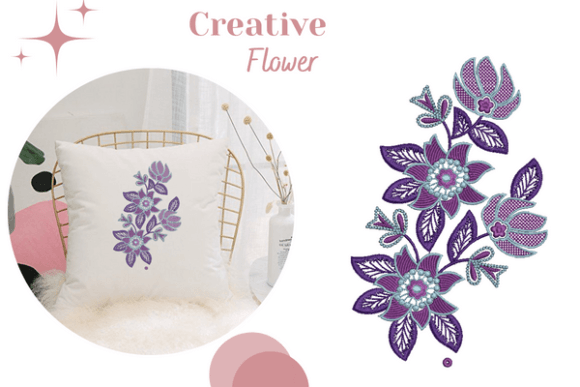
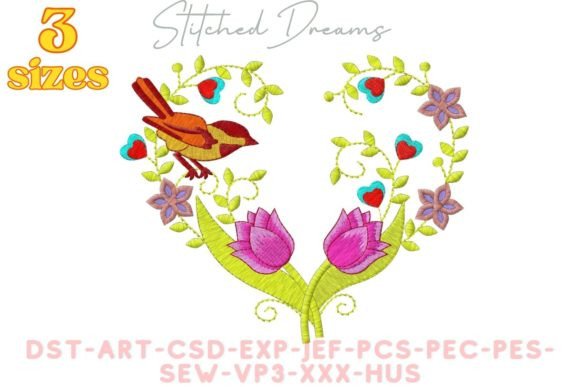
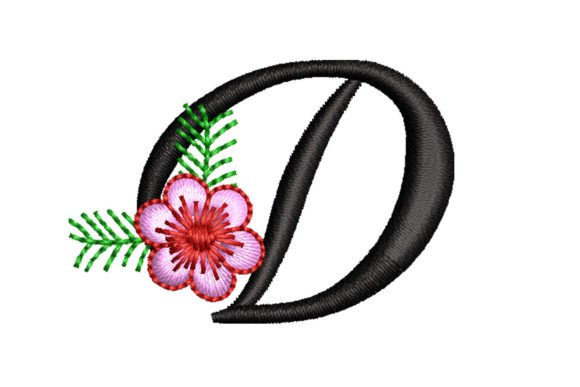
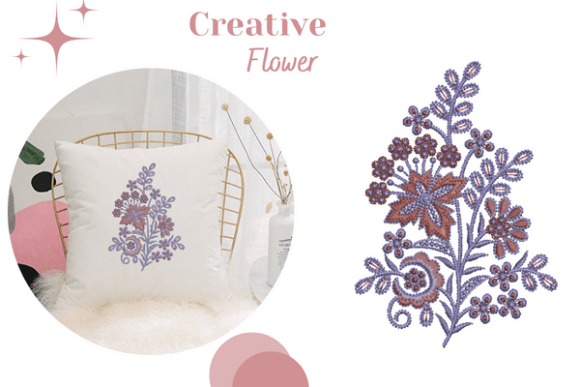
As an embroidery designer who’s stitched thousands of personalized pieces—from baby blankets to wedding towels—I opened Decorative Floral Element with quiet anticipation. What greeted me wasn’t just another floral motif; it was a gentle, hand-drawn elegance that immediately felt *made for memory*. The design carries a romantic, slightly vintage charm—think soft petals, flowing stems, and subtle layering—not overly fussy, not too minimal. It breathes handmade warmth. There’s no harsh geometry or digital rigidity here. Instead, the curves feel intentional, the spacing generous, and the overall impression is one of quiet celebration: sweet enough for a newborn onesie, refined enough for a bridal monogram towel, and timeless enough for a family heirloom pillow.
Where This Design Truly Shines
Decorative Floral Element isn’t just versatile—it’s *purpose-built* for emotional connection. Here’s how it lives beautifully in real projects:
- Baby embroidery: Stitched on organic cotton swaddles or muslin burp cloths, its gentle scale and soft edges echo the tenderness of early days. Pair it with a tiny embroidered name or birth date for a nursery-ready keepsake.
- Wedding gift: As part of the Wedding Flowers category, it excels on linen napkins, monogrammed guest towels, or even the back of a bridesmaid’s robe—adding romance without overwhelming formality.
- Family keepsakes & home decor: A single bloom centered on a linen pillow cover or stitched along the hem of a lightweight throw blanket elevates everyday items into cherished objects. Its balanced composition works equally well solo or as part of a repeating border.
- Personalized products for small shops: Etsy sellers and craft fair vendors will appreciate how effortlessly Decorative Floral Element enhances product photography. It adds visual interest without competing with branding—and looks equally lovely on natural fiber totes, aprons, or custom gift boxes lined with embroidered tissue.
- Nursery and holiday items: Because it avoids seasonal clichés (no pumpkins or snowflakes), it transitions gracefully from spring baby showers to cozy winter gifting—especially when paired with warm thread palettes like oatmeal, sage, and dusty rose.
Practical Embroidery Notes You’ll Want to Know
This isn’t just about beauty—it’s about buildability. As someone who’s stitched on everything from terry cloth towels to stretchy bamboo knits, I tested Decorative Floral Element across several common substrates. Here’s what stood out:
- Fabric texture matters: On textured towels, I used a medium-weight cutaway stabilizer underneath and a light tear-away on top—this kept stem details crisp and prevented puckering. For delicate baby clothes, a soft tear-away + basting spray worked beautifully.
- Thread color contrast is key: The design’s charm lies in its layered petal shapes—so avoid low-contrast thread pairings (e.g., pale yellow on cream). Opt for subtle tonal shifts instead: buttercream on ivory, heather gray on oatmeal. Always compare thread colors under natural light before stitching your final piece.
- Stitch density feels thoughtful: It’s not overly dense—meaning less risk of fabric distortion on lightweight materials—but still rich enough to hold up through repeated washing. That balance makes it ideal for functional items like embroidered towels and blanket embroidery.
- No tiny lettering or fragile filigree: Unlike some floral designs, Decorative Floral Element avoids micro-details that vanish on fabric or snag during trimming. Petals are generously shaped, stems are clean and continuous—giving you confidence at every step.
Why Customers Notice—and Remember—This Detail
In handmade gifting, the smallest intentional touch builds trust. When someone receives a pillow cover with Decorative Floral Element thoughtfully placed at the corner, they don’t just see embroidery—they feel care. That translates directly into buyer engagement: better reviews, repeat orders, and word-of-mouth referrals. For Etsy sellers and small shop owners, this design strengthens perceived quality *before* the first stitch is even seen—especially when used in printable mockups. A softly lit photo of the design on a neutral linen tote tells a story of craftsmanship and calm intention. It doesn’t shout—it invites. And in today’s crowded digital marketplace, that quiet sincerity stands out.
Your Smart Next Steps Before Stitching
Before adding Decorative Floral Element to your next batch of handmade products, take these simple, high-impact steps:
- Create a test stitch-out on the exact fabric and stabilizer combo you plan to use—not just scrap fabric, but the same weight and weave.
- Check small details after stitching: Look closely at petal tips and stem joins. Are they clean? Do any areas need slight trimming or re-hooping?
- Compare thread colors in natural light—not just under your machine lamp—to ensure warmth and harmony with your product’s base color.
- Confirm hoop size and machine compatibility by reviewing the product details on Creative Fabrica. Not all embroidery files fit standard hoops without resizing or repositioning.
- Review licensing terms carefully if you’re planning commercial embroidery or selling finished products. Creative Fabrica outlines usage rights clearly—always verify before scaling production.
Remember: the most beautiful Decorative Floral Element isn’t the one with perfect tension alone—it’s the one that lands softly on a new parent’s lap, rests gently on a bride’s vanity, or becomes part of a child’s bedtime ritual. That kind of resonance starts with choosing a design that honors both artistry and authenticity—and this one does.