Cute Floral Border: A Designer’s Real-World Review
First Impressions: Soft, Cheerful, and Surprisingly Versatile
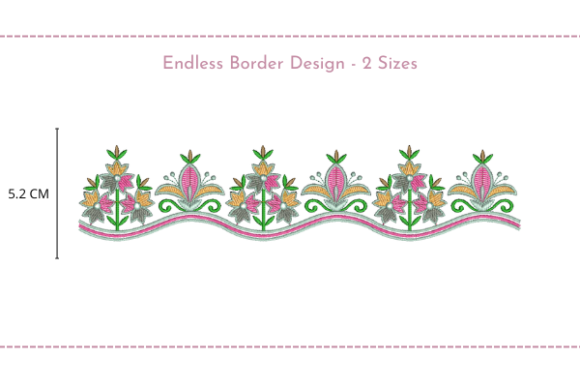
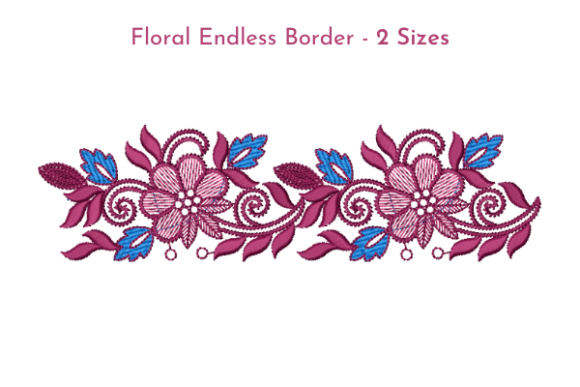
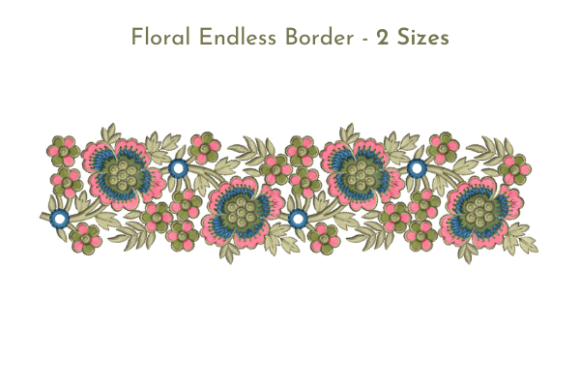
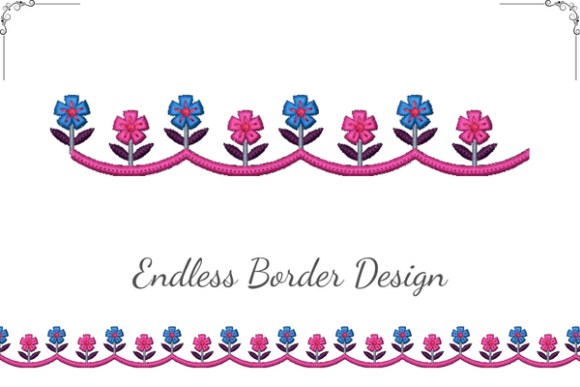
When I opened Cute Floral Border for the first time, I wasn’t expecting much beyond a predictable vine-and-bloom repeat—but it surprised me. The layout balances airiness with intention: small blossoms, loose leaf stems, and gentle curves that flow without crowding. It doesn’t shout “floral”—it whispers warmth. That makes it ideal for projects where charm matters more than drama: baby onesies, linen tea towels, minimalist aprons, or the hem of a cotton tote bag meant for farmers’ market runs.
How It Landed on My Latest Project: A Linen Tote for a Local Boutique
I used Cute Floral Border along the bottom edge of a natural linen tote—intended as a boutique gift set with handmade soap and dried lavender. The design stitched cleanly at 3.5" wide (hooped comfortably in a 4x4), and the satin-stitch petals held crisp definition without excessive density. Customers responded immediately to the softness of the motif—not too fussy, not too sparse. One even asked if it was hand-embroidered. That’s the sweet spot: when machine embroidery feels intentional, not automated.
Where It Shines (and Where It Needs Thought)
- Custom apparel: Works beautifully on relaxed-fit sweatshirts and lightweight tees—especially when placed along cuffs, hems, or pocket edges. Avoid tight sleeves or curved collar bands unless you’ve tested hoop placement first.
- Baby embroidery: Gentle scale and rounded shapes make Cute Floral Border perfect for onesies and burp cloths. Just confirm your stabilizer is lightweight and tear-away—no puckering on delicate knit fabrics.
- Home decor & kitchen textiles: On tea towels and pillow covers, it adds quiet personality without overwhelming. I paired it with muted thread colors (sage, cream, dusty rose) on oat-colored linen—and it looked like it belonged, not like it was pasted on.
- Holiday embroidery & personalized gifts: While not seasonal by default, it layers well with monograms or simple holiday motifs (think tiny embroidered stars tucked between stems). Great for Easter baskets, baby showers, or spring-themed wedding favors.
Fabric & Fit Reality Checks
Cute Floral Border behaves differently depending on what you’re stitching it onto—and that’s where many designers trip up. On thick terry cloth towels? You’ll want medium-cutaway stabilizer and slightly reduced top tension to keep those satin stitches from sinking. On thin rayon challis or stretchy jersey? Test first. The design’s light fill areas can shift if the fabric moves mid-stitch. And on dark fabric? Don’t assume contrast—run a black-and-white mockup. Some lighter floral elements vanish without careful thread selection.
It’s not ideal for caps or curved surfaces without digitizing adjustments—the continuous border shape assumes a flat plane. Likewise, avoid placing it directly over seams or high-flex zones (like elbow patches or waistbands) unless you reinforce backing. For embroidered patches, consider trimming the repeat to a single seamless segment—it’s easier to align and looks more intentional.
What It Adds to Your Handmade Product (Beyond Pretty)
This isn’t just decoration—it’s subtle brand language. When I used Cute Floral Border on a set of nursery pillow covers sold through my Etsy shop, customers mentioned “cohesive,” “thoughtful,” and “not mass-produced” in reviews. Why? Because the spacing feels considered, not algorithmic. The rhythm of the blooms suggests care—not speed. That perception lifts perceived value, builds trust, and supports pricing confidence. For craft business owners, that’s ROI you can’t stitch into a spec sheet.
It also plays well with other design assets. I’ve layered it beneath simple script names for personalized gifts, used it as a frame around small applique designs, and even reversed it (stitched in white on navy denim) for a modern twist on traditional embroidery. Its flexibility makes it a reliable workhorse—not a one-off novelty.
Practical Designer Notes Before You Stitch
- Always test Cute Floral Border on scrap fabric matching your final project’s weight, weave, and stretch—even if it’s “just cotton.” Thread tension shifts quietly.
- Check stitch density visually. If your machine struggles with dense satin sections, reduce density slightly in editing software—or switch to a softer thread (polyester over rayon) for better glide.
- Confirm hoop size compatibility. This design reads well in 4x4, but if you’re scaling it for larger home decor, verify smooth scaling in your embroidery software—some floral repeats distort if stretched unevenly.
- Inspect corners and endpoints. Does the repeat close seamlessly? If you’re using it as a continuous border, test a full loop before committing to a long run on a towel or table runner.
- Review licensing. As a digital embroidery file, Cute Floral Border may have usage limits for commercial embroidery or resale of finished products. Check terms before listing on Etsy or bundling into craft kits.
- Use printable mockups—not just screen previews—to assess how it reads at actual product scale. A motif that looks balanced on a laptop may feel cramped on a baby blanket.
Final Thought: A Quietly Confident Design Choice
Cute Floral Border won’t dominate your portfolio—but it will earn repeat use. It’s the kind of embroidery file you reach for when you need warmth without whimsy, polish without pretense. Whether you’re building a small shop product line, prepping for a craft fair, or designing custom apparel for a local café, it delivers consistency, clarity, and quiet charm. Not every border needs to dazzle. Sometimes, it just needs to belong—and this one does.